Treatments

Explore the complete treatment offering and select any procedure to review its details.

Every treatment plan begins with a professional consultation to ensure the selected approach aligns with your individual anatomy and objectives.

Botox / Neuromodulators

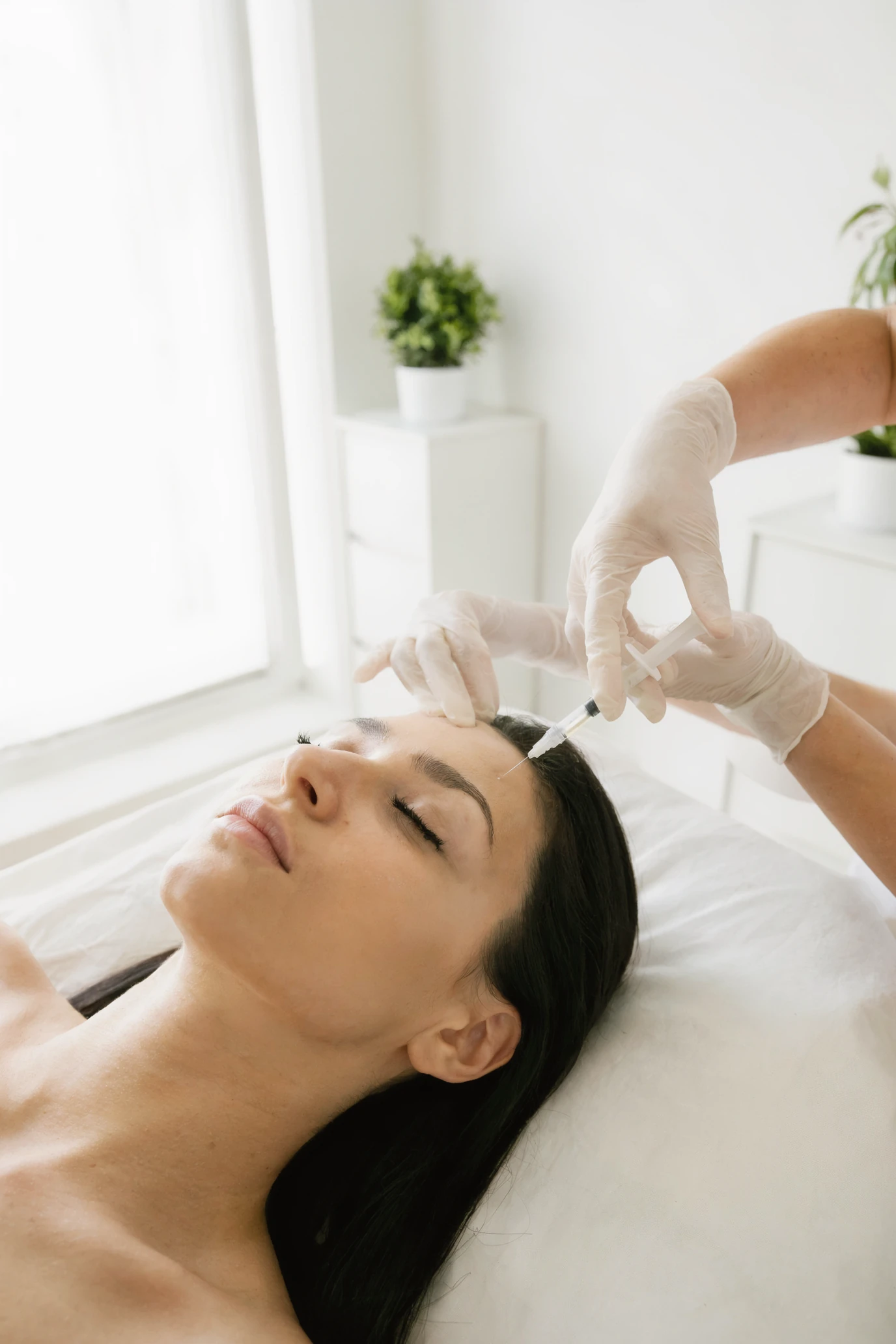
Small, precisely placed injections temporarily reduce selected muscle activity so that expression lines soften while natural movement is preserved. The plan is shaped around how each area of the face moves, so the approach is tailored rather than standardised. Common areas include the forehead, frown lines, crow’s feet, chin, jawline and neck bands; botulinum toxin may also be used for excessive sweating.

How it is planned

A consultation first maps the areas that contribute most to a treated look, then a plan is formed around the individual’s anatomy and the impression they want to keep. Because the aim is a rested, natural result rather than a frozen one, doses and placement are adjusted to the strength of the muscles involved.

Typical areas

  • Forehead lines
  • Frown lines between the brows
  • Crow’s feet around the eyes
  • Chin and jawline
  • Neck bands
  • Excessive sweating in appropriate areas

At the appointment the practitioner reviews the plan, confirms the areas to be treated and explains how the effect is expected to settle. The result is temporary, so reviews are scheduled to keep the outcome consistent and natural over time.
Hyaluronic Acid Fillers

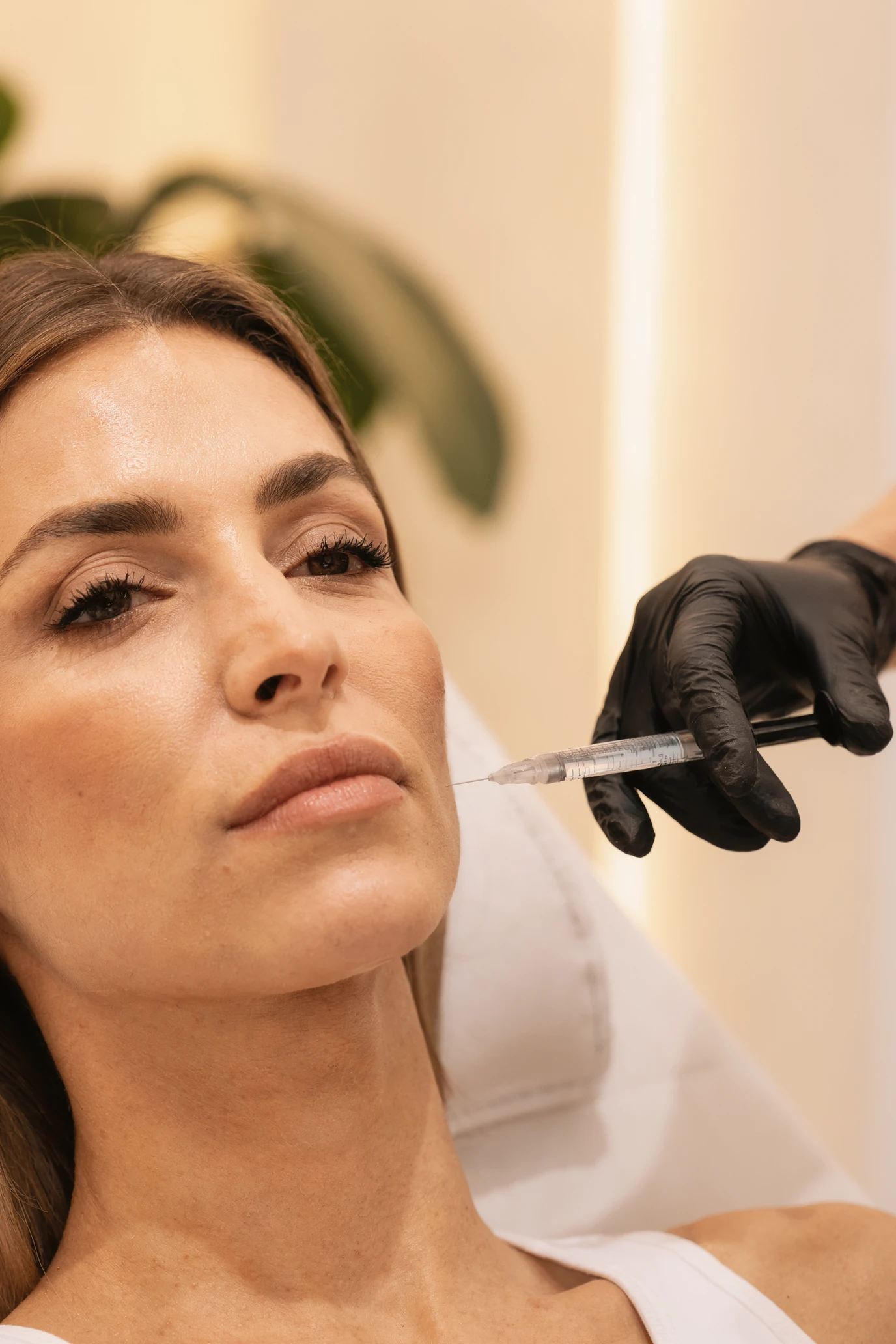
Injectable hyaluronic acid is used to restore volume, improve contour and enhance selected facial features. Depending on the product and anatomy, areas may include the lips, cheeks, chin, jawline and facial folds. Because hyaluronic acid occurs naturally in the skin, it is a familiar building block that is placed to support the structure of the face rather than simply to enlarge it.

How it is planned

The approach begins with an assessment of the facial proportions and the specific areas where volume or contour is of concern. A plan is then matched to the product best suited to the depth and location of the treatment, so the result reads as gentle enhancement rather than an obvious change.

Where it is used

  • Lips
  • Cheeks
  • Chin
  • Jawline
  • Nasolabial folds and facial folds

At the consultation the amount and placement are agreed, and the practitioner explains how the filler settles into the tissues. The result is reversible over time, and reviews are arranged to keep the outcome balanced with the rest of the face.

Lip Enhancement

Hyaluronic acid filler can add subtle volume, improve lip definition, address asymmetry and restore age-related volume loss. Treatment is based on facial proportion rather than simply increasing lip size. The goal is a shape that feels harmonious with the surrounding features, with results that can be adjusted gradually rather than changed in a single step.

How it is planned

The consultation looks at the lips in relation to the nose, chin and overall profile, because a successful result depends on proportion rather than a target size. The approach is conservative, with placement chosen to protect the natural shape and movement of the mouth.

What it can address

  • Subtle added volume
  • Improved definition of the lip border
  • Correction of asymmetry
  • Age-related thinning and volume loss

The practitioner agrees the shape and any adjustments over subsequent sessions, and explains how the filler settles so the final look can be assessed calmly.

Sculptra

Sculptra is an injectable poly-L-lactic acid treatment that stimulates collagen gradually. It can be used in appropriately selected patients to improve facial wrinkles and age-related structural changes over time. Rather than filling a fold in one session, it supports the skin’s own collagen response, so the change builds gently and the result is intended to look natural and gradual.

How it works

Poly-L-lactic acid is placed beneath the skin where it encourages the body’s own collagen production over a number of weeks. This means the improvement develops progressively, and the plan often involves a series of sessions rather than a single treatment.

What it can address

  • Facial wrinkles
  • Age-related structural changes
  • Gradual volume loss
  • Overall skin support

A consultation determines whether the treatment is appropriate and how the sessions should be spaced. The practitioner explains how the effect builds so expectations are set around a gradual, evolving result.

Radiesse

Radiesse is a calcium hydroxylapatite injectable that provides structural correction while stimulating collagen. Depending on indication and technique, it may be used for facial wrinkles and folds, jawline contour and volume loss in the backs of the hands. Because it gives both immediate support and a gradual collagen response, it suits areas where a firmer, more structured contour is the aim.

How it works

The material adds structure where it is placed while also encouraging collagen over time, so the result combines an immediate improvement with a gradually developing support. Because Radiesse gives structure as well as volume, the technique and placement are matched to the area and the desired contour.

Where it is used

  • Facial wrinkles and folds
  • Jawline contour
  • Volume loss in the backs of the hands
  • Structural facial support

The practitioner assesses the area, agrees the approach and explains how the filler settles so the outcome can be reviewed at a follow-up appointment.

PRP for Hair

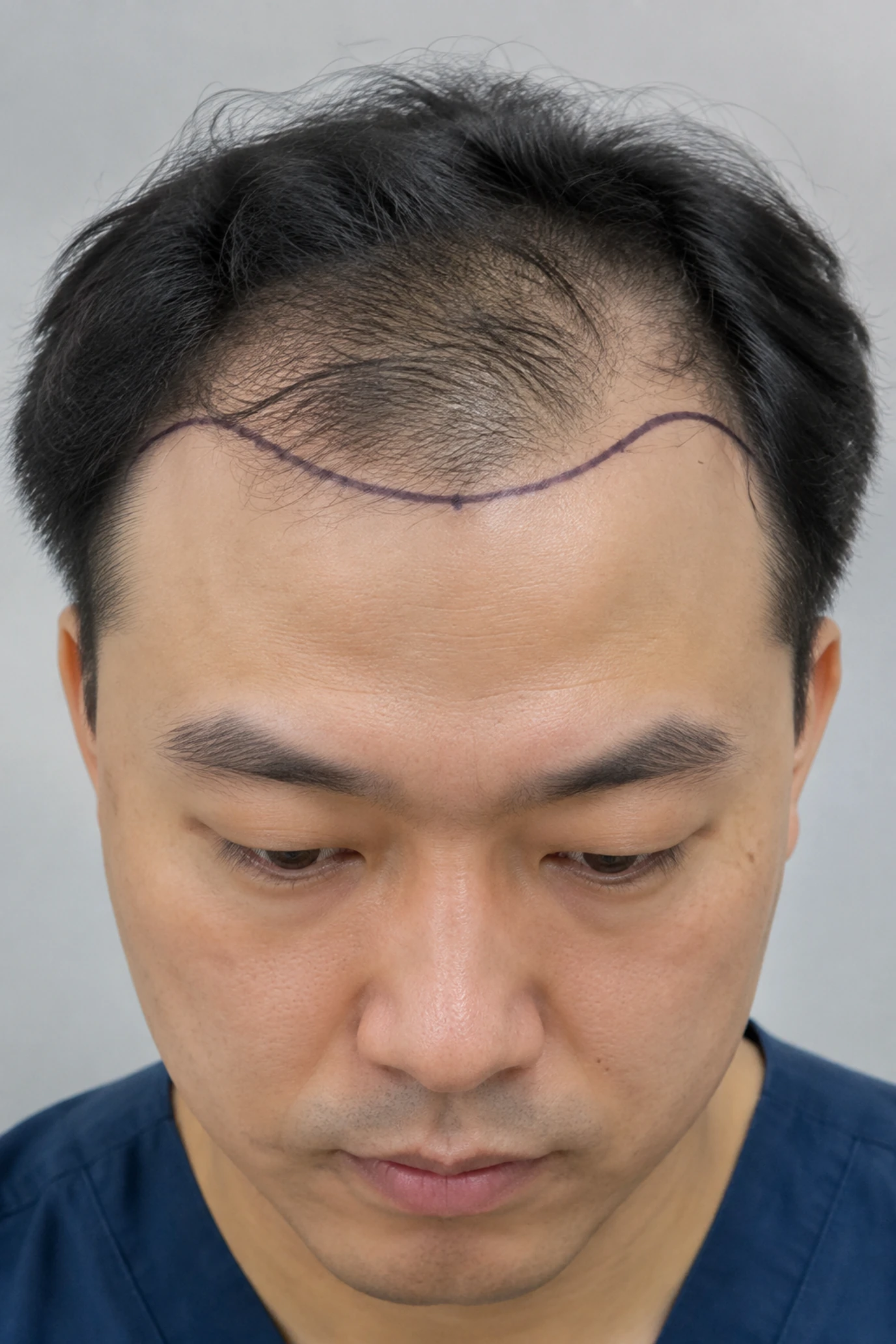
Platelet-rich plasma is prepared from the patient’s own blood and injected into selected areas of the scalp. It may be incorporated into an individualized treatment program for certain types of hair thinning. Because the material is drawn from the patient’s own blood, the treatment is framed as part of a broader, personal plan rather than as a standalone fix.

How it is prepared

A small sample of blood is taken, processed to concentrate the platelets and then injected into the chosen scalp areas. The aim is to support the scalp environment and to work alongside the rest of a hair-thinning plan, with the approach built around the individual rather than applied as a fixed protocol.

Where it fits in a plan

  • Scalp areas selected by the practitioner
  • As part of an individualized treatment program
  • Alongside other measures agreed in consultation

A consultation reviews the scalp and the type of thinning, then discusses how PRP would be scheduled within the wider program so the plan is built around the individual.’

PRP for Face

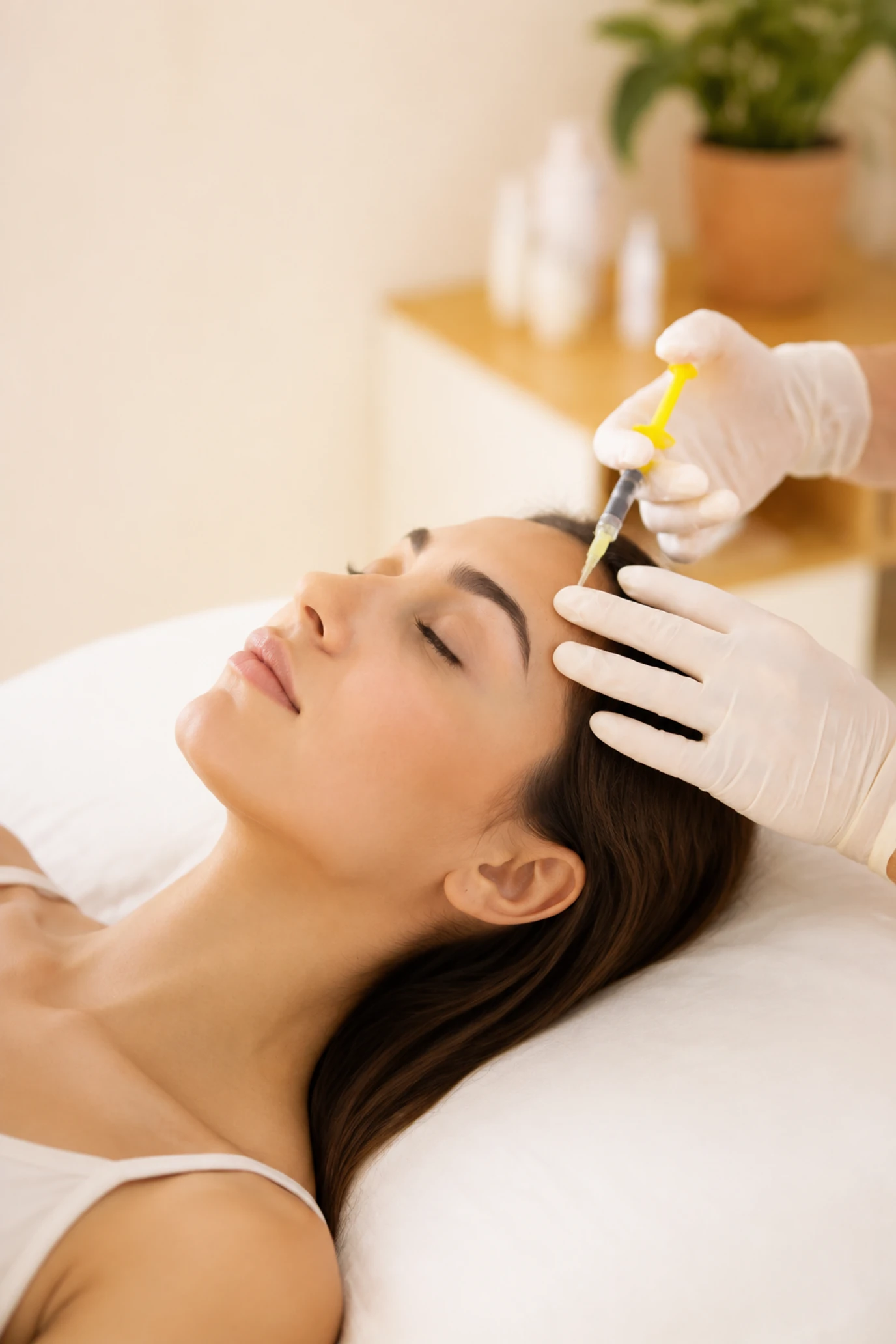
PRP prepared from the patient’s own blood is injected into selected areas as a skin-rejuvenation treatment. It may be used to support overall skin quality as part of a broader facial treatment plan. Because it comes from the patient’s own blood, it is commonly seen as a complementary step within a wider rejuvenation approach.

How it is prepared

A small sample of blood is processed to concentrate the platelets and then injected into the selected facial areas. The treatment is aimed at supporting skin quality and is usually combined with other steps in a broader plan.

Where it fits

  • Selected facial areas
  • As part of a broader treatment plan
  • Alongside other skin-quality measures

The practitioner assesses the skin, agrees the areas to be treated and explains how PRP is scheduled within the wider facial program so the approach stays individual.

Mesotherapy

Mesotherapy is a technique using multiple small, superficial injections into the skin or scalp. The injectable formulation is selected according to the treatment area and individual treatment goal. The method is defined by its gentle, distributed approach rather than one large injection, and the formulation is tailored to the area being treated.

How it is performed

A series of small, shallow injections is placed across the treatment area, which allows a formulation to be delivered in a measured way. The composition used is chosen to suit the specific region and the goal of the treatment.

What it depends on

  • The treatment area
  • The individual treatment goal
  • The selected formulation

A consultation establishes the area and the aim, then the practitioner selects the appropriate formulation and explains how the sessions are arranged.

Biorevitalization

Biorevitalization uses small superficial injections designed to support skin hydration, texture and overall quality. Common areas include the face, neck, décolletage and hands. The emphasis is on refreshing the skin rather than adding volume, so the approach is about supporting the quality of the skin surface itself.

How it is performed

Small, superficial injections deliver a selected formulation into the upper layers of the skin with the aim of supporting hydration and texture. The number and placement of the injections are matched to the condition of the skin.

Common areas

  • Face
  • Neck
  • Décolletage
  • Hands

The practitioner reviews the skin, agrees the areas to be treated and explains how a course of treatment is planned to support quality over time.

Hyaluronic Acid Skin Treatments / Skin Boosters

Small amounts of selected hyaluronic acid formulations are placed within the skin primarily to improve hydration and skin quality rather than create significant facial volume. Treatment may be used on the face, neck, décolletage and hands. The difference from a volume filler is the intent: these treatments support the quality of the skin itself rather than reshaping it.

How it is performed

Small amounts of a selected hyaluronic acid formulation are placed within the skin to target hydration and overall skin quality. Placement is matched to the condition of the area rather than to a shaping goal.

Where it is used

  • Face
  • Neck
  • Décolletage
  • Hands

The practitioner assesses the skin, agrees the areas and explains how the treatment supports quality, distinguishing it from a volume-focused approach.

PDRN / Polynucleotide Injections

PDRN and polynucleotide-based treatments use DNA-derived compounds in injectable skin-quality protocols. They may be used in selected areas such as the face, neck and décolletage, depending on the specific product and treatment plan. The approach is defined by its focus on supporting skin quality, with the area and the product chosen together in planning.

How it is performed

A DNA-derived compound is delivered into the selected area as part of an injectable skin-quality protocol. The specific product and the placement are chosen to suit the region and the plan agreed with the patient.

Where it is used

  • Face
  • Neck
  • Décolletage
  • As agreed in the treatment plan

The practitioner reviews the area, selects the appropriate product and explains how the treatment sits within the wider skin-quality program.

Thread Lift

Absorbable lifting threads are placed beneath the skin to provide modest support and repositioning of selected tissues. Common areas include the cheeks, lower face, jawline and neck. The threads are designed to be absorbed by the body over time, offering a gentle lift in the areas where support is most useful.

How it is performed

Fine absorbable threads are placed beneath the skin to support and modestly reposition the tissues. The placement is chosen to create a gentle lift in the selected areas while respecting the natural structure of the face.

Where it is used

  • Cheeks
  • Lower face
  • Jawline
  • Neck

A consultation assesses the areas and the degree of support required, then the practitioner explains the placement and how the threads are absorbed over time.

Neck Rejuvenation

Neck treatment may address horizontal lines, skin quality, laxity, visible muscle bands and loss of jawline definition. Depending on the concern, treatment may include neuromodulators, skin-quality injections, fillers, threads or a combination. The approach is built around the particular concerns present, so it is rarely a single method.

What it can address

  • Horizontal neck lines
  • Skin quality
  • Skin laxity
  • Visible muscle bands
  • Loss of jawline definition

How it is planned

The practitioner assesses which concerns are most relevant and then builds a plan, which may combine several methods such as neuromodulators, skin-quality injections, fillers or threads. The combination is matched to the individual rather than applied as a fixed protocol.

At the consultation the areas are reviewed and a plan is agreed, with the sequence of treatments and any combination explained so the approach feels considered.

Jawline Contouring

Jawline definition may be improved using selected fillers, Radiesse, neuromodulators, threads or combination treatment. The approach depends on bone structure, muscle activity, volume and skin laxity. Because the jawline is shaped by several factors at once, the plan is tailored to the individual rather than to a single technique.

What shapes the jawline

  • Bone structure
  • Muscle activity
  • Volume
  • Skin laxity

How it is planned

The practitioner assesses these contributing factors and then selects from fillers, Radiesse, neuromodulators, threads or a combination. The aim is to define the line in a way that reads as natural and balanced with the rest of the profile.

During the consultation the contributing factors are reviewed and an approach is agreed, with any combination and its sequencing explained.

Chin Enhancement

Selected fillers may improve chin projection, shape and lower-face proportion. Treatment is planned in relation to the lips, jawline and overall facial profile. The chin is treated as part of the lower face rather than in isolation, so the plan looks at how it relates to the features around it.

How it is planned

The practitioner looks at the chin in relation to the lips, jawline and overall profile, because a natural result depends on proportion. Placement and volume are matched to the projection and shape that will balance the lower face.

What it can improve

  • Chin projection
  • Chin shape
  • Lower-face proportion

The practitioner reviews the profile, agrees the plan and explains how the filler settles so the result can be assessed alongside the surrounding features.

Cheek Enhancement

Injectable treatments can restore or enhance selected cheek volume and facial contour. The goal is structural balance rather than excessive volume. The cheeks are treated to support the midface in a way that feels connected to the rest of the face, with volume chosen for balance rather than a pronounced change.

How it is planned

The practitioner considers the midface in relation to the rest of the face and places volume to restore or enhance contour with balance in mind. The emphasis is on looking rested and natural rather than over-filled.

What it can address

  • Cheek volume
  • Facial contour
  • Midface balance

A consultation reviews the face, agrees the areas and explains how the volume settles so the final result reads as natural balance.

Kybella / Submental Fullness

Kybella is an injectable treatment for selected adults with moderate-to-severe fat beneath the chin. It is used to reduce submental fullness and improve the chin-neck profile. The approach targets the fullness under the chin directly, so the plan is built around the degree of fullness and the desired profile.

How it is planned

The practitioner identifies the amount of fullness beneath the chin and whether the treatment is appropriate. The approach is matched to the degree of submental fullness and the improvement the patient is after, with the number of sessions tailored to the profile.

What it is used for

  • Moderate-to-severe submental fullness
  • Improving the chin-neck profile

A consultation reviews the fullness, confirms suitability and explains how the treatment is planned so the profile can improve in a measured way.

Hand Rejuvenation

Age-related volume loss in the backs of the hands can make veins and tendons more visible. Radiesse or selected fillers may be used to restore volume, while skin-quality treatments may address texture and hydration. The plan looks at both structure and skin quality, treating the hands with the same care as the face.

What changes with age

  • Volume loss on the backs of the hands
  • More visible veins and tendons
  • Changes in texture and hydration

How it is planned

The practitioner assesses both the volume and the skin quality, then selects between Radiesse or fillers for structure and skin-quality treatments for texture and hydration. The approach is matched to the individual.’

A consultation reviews the hands, agrees the combination and explains how the treatments settle so the result looks natural and matched to the face.

Microneedling

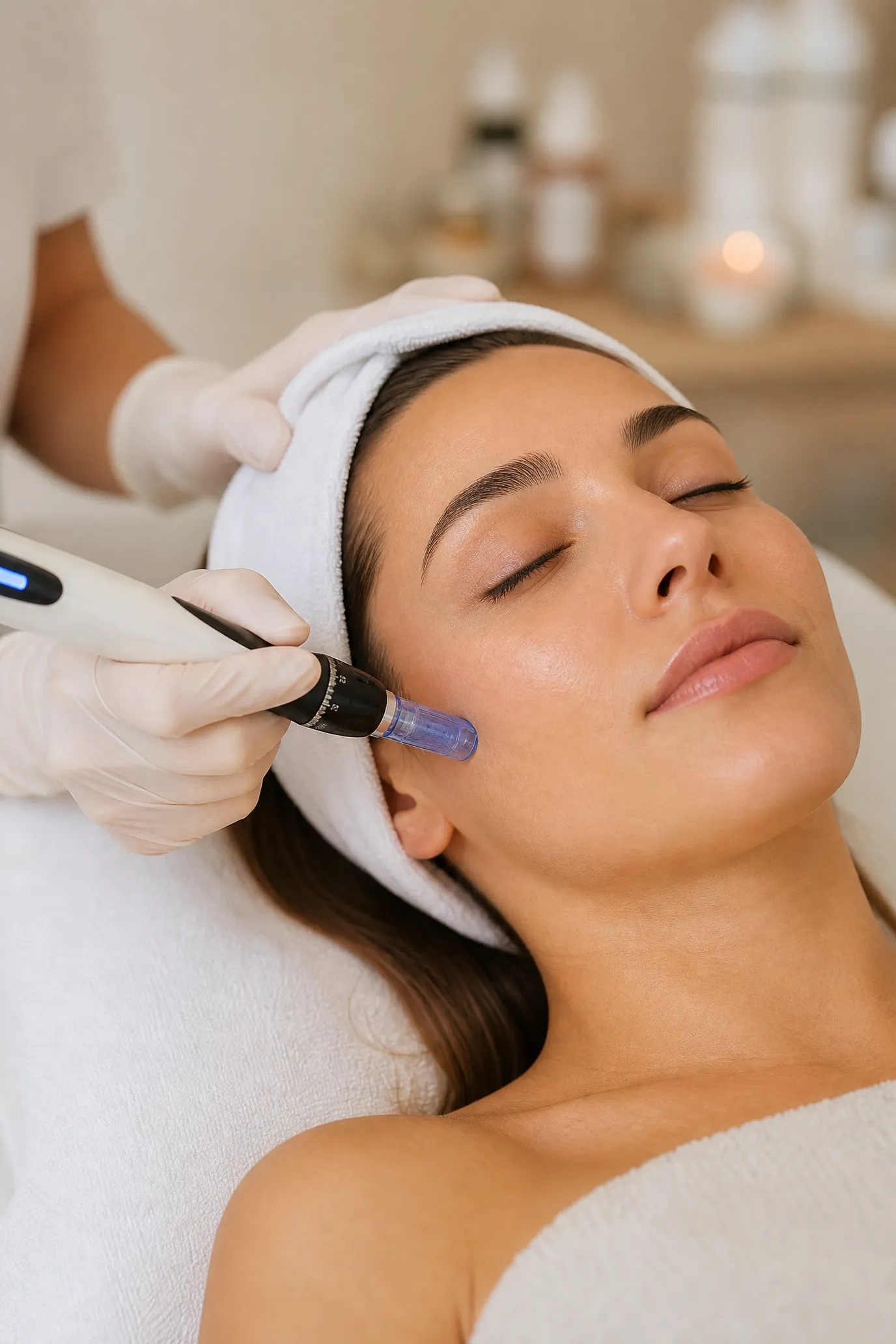
Microneedling creates controlled microscopic channels in the skin and may improve texture, fine lines and selected acne scars. Treatment depth and number of sessions are individualized. The method is defined by its gentle, focused approach, with the depth and frequency matched to the skin and the concern being addressed.

How it is performed

A device creates controlled microscopic channels in the skin, which allows the treatment to be focused on texture and selected concerns. The depth of the needles and the number of sessions are individualized, matched to the skin and the particular result being sought.

What it can address

  • Skin texture
  • Fine lines
  • Selected acne scars

The practitioner assesses the skin, agrees the depth and frequency and explains how a course of sessions is planned to support texture and quality over time.

Chemical Peels

Chemical peels create controlled exfoliation using selected topical solutions. They may improve dullness, texture, superficial pigmentation, acne-prone skin and selected fine lines. The strength of the peel is matched to the skin and the concern, so the approach is gentle and tailored rather than a single strength for everyone.

How it is performed

A selected topical solution is applied to create controlled exfoliation of the upper layers of the skin. The type and strength of the peel are matched to the skin and the particular concern, with the plan built around the condition being addressed and the effect introduced gradually.

What it can address

  • Dullness
  • Skin texture
  • Superficial pigmentation
  • Acne-prone skin
  • Selected fine lines

A consultation reviews the skin, agrees the peel strength and explains how a course is planned to support the skin gradually.

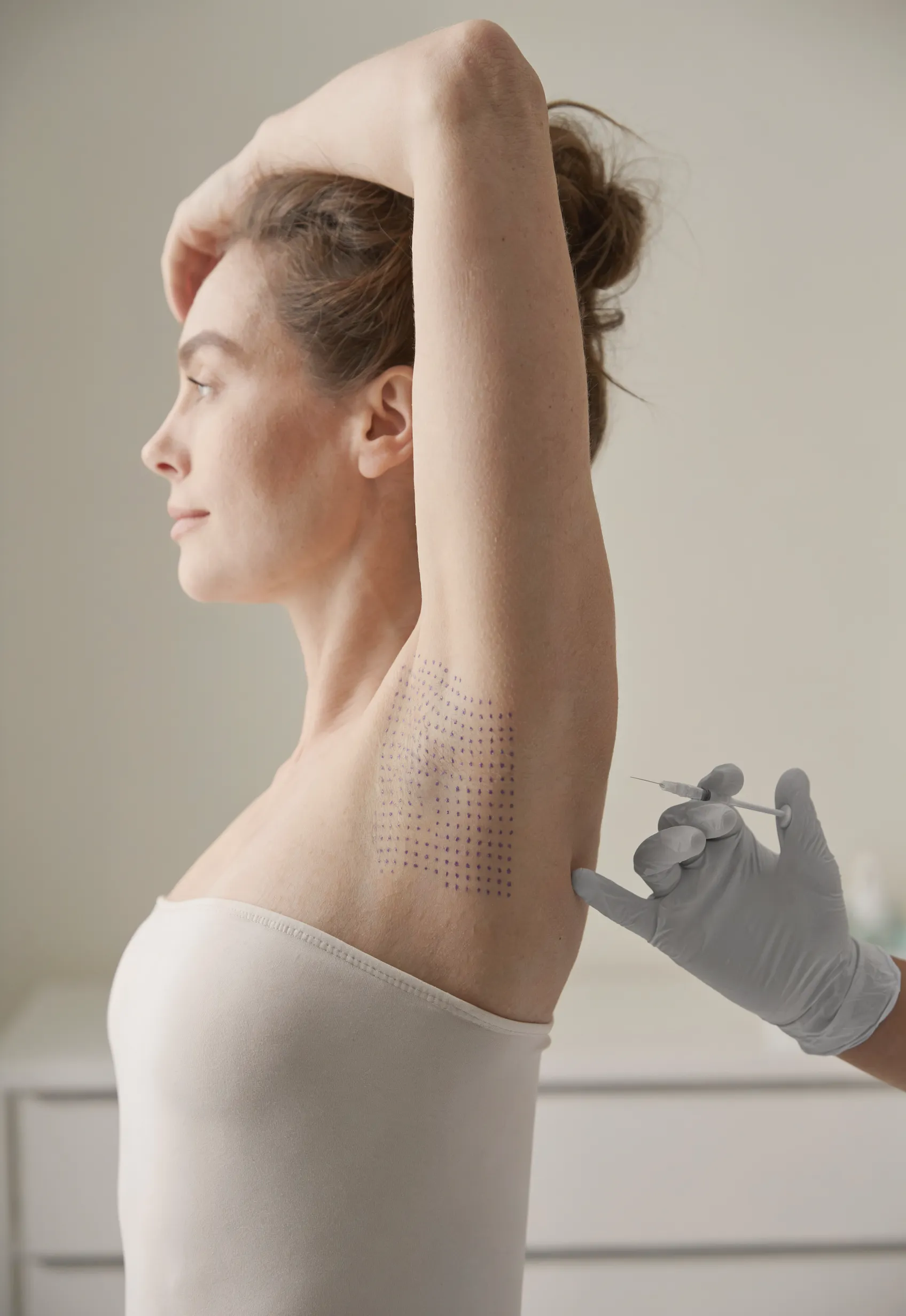
Hyperhidrosis Treatment

Botulinum toxin injections can temporarily reduce excessive sweating by reducing nerve signals to sweat glands. Treatment is commonly used for excessive underarm sweating and may be considered for other appropriate areas. The approach is aimed at the overactivity of the sweat glands rather than everyday sweating, so the plan is built around the degree of the concern.

How it works

Botulinum toxin is injected to reduce the nerve signals that reach the sweat glands, which in turn reduces sweating in the treated area. The effect is temporary, so the plan is built around the degree of the concern and the areas affected.

Where it is used

  • Excessive underarm sweating
  • Other appropriate areas

The practitioner reviews the areas and the severity, agrees the plan and explains how the effect settles so it can be reviewed and repeated as needed.

Combination Rejuvenation

Facial aging rarely comes from one problem alone. An individualized plan may combine neuromodulators, fillers, Sculptra, Radiesse, PRP, biorevitalization, mesotherapy or threads to address different concerns gradually and conservatively. The strength of the approach is that each concern is matched to the method that suits it, sequenced calmly and conservatively over time.

Why a combination

Because facial aging usually involves several factors rather than a single issue, the plan is built across multiple methods. Each concern is matched to the technique that addresses it best, and the sequence is arranged so the changes are conservative and gradual rather than dramatic.

Methods that may be combined

  • Neuromodulators
  • Fillers
  • Sculptra
  • Radiesse
  • PRP
  • Biorevitalization
  • Mesotherapy
  • Threads

A consultation reviews the face and the concerns, then agrees which methods to combine and how to sequence them so the overall result stays balanced and natural.